Popular History Movies - Page 183

The King's Whore
1990
The King's Whore
1990
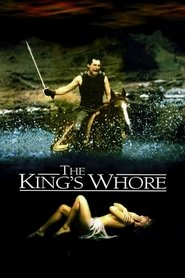
star 4.8Set in the 17th-century, an Italian nobleman weds an impoverished countess, who is wooed by the King of Piedmont and faces pressure from his entire court to succumb to his wishes.Easy Riders, Raging Bulls: How the Sex 'n' Drugs 'n' Rock 'n' Roll Generation Saved Hollywood
2003
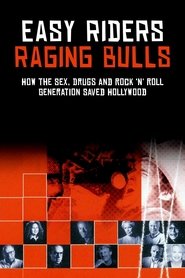
star 7.1The chronicle of the mind-blowing journey that was Hollywood during the seventies; the true and gripping story of the last golden age of American cinema, an exalted celebration of creativity and experimentation; but also of sex, drugs and rock 'n' roll: a turbulent and dark tale of ambition, envy, betrayal, hatred and self-destruction.Beklenen Bomba
1959
Chicago 10
2008
Chicago 10
2008
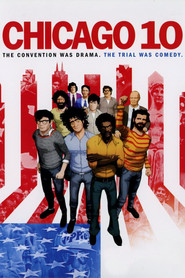
star 5.8Archival footage, animation and music are used to look back at the eight anti-war protesters who were put on trial following the 1968 Democratic National Convention.Truman at Potsdam
1976
Truman at Potsdam
1976
star 8A dramatization of the World War II Potsdam Conference of July 1945 with U.S. President Harry Truman, British Prime Minister Winston Churchill and Soviet leader Joseph Stalin.Man of Music
1952
Man of Music
1952
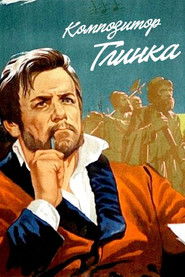
star 4.7The young composer Mikhail Glinka performs his new work at a soiree at earl Vielgorsky's house. However, the public is accustomed to Western music, and reacts coldly to the creation of the composer. This makes him very sad, but soon he decides to go learn the art of music in Italy. After returning from Italy, he is full of desire to write national Russian opera. Vasily Zhukovsky proposes a subject: a feat of Ivan Susanin. Tsar Nicholas I change the name of the opera to A Life for the Tsar and assigns a librettist - Baron Rosen. Acquaintance with the future co-author shocked Glinka: Rosen speaks Russian with a noticeable German accent. The premiere was successful, but Glinka was still not entirely happy with the libretto: "False words were written by Rosen". When Nicholas I learned that Ruslan and Lyudmila was written on Pushkin's subject, he sees it as sedition. The bitter experience of the composer brighten his supporters.Güemes, la tierra en armas
1971
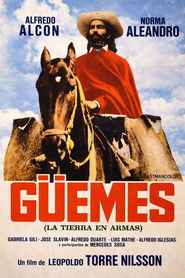
star 9The story of the wars of independence in Northern Argentina during the 19th Century.Teddy Roosevelt: An American Lion
2003
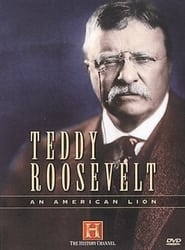
star 6This thorough documentary covers the life of President Theodore Roosevelt, from his birth until his death.The Official Story
1985
The Official Story
1985
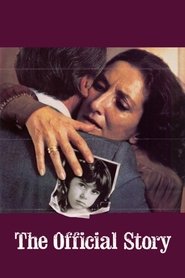
star 7.5Buenos Aires, Argentina, 1983. In the last and turbulent days of the military dictatorship, Alicia, a high school history teacher, begins to ask uncomfortable questions about the dark origins of Gaby, her adopted daughter.Dream of the Red Mansions
1944
star 6.8Based on the famous 18th century Chinese novel with the same name. Set during the 1700s in China, a prominent family loses its good luck when one of the sons loses the jade chip that was embedded in his mouth.Kannappa
2025
Kannappa
2025
star 5.5After witnessing the cruel sacrifice of his childhood friend, an atheist warrior rejects religion until love forces him to find his own faith.Following the Swan Flock of Clouds
1957
star 9.5The first film in a duology based on the biography of Latvian revolutionary Jānis Fabricius. Mārtiņš Venta, the son of a forest ranger, enrolls in a Riga gymnasium and becomes an underground activist, while his classmate, Dace, a teacher's daughter, is expelled from the Riga school for singing the revolutionary song Kā gulbji balti padebeši iet. Dace becomes an actress, but Mārtiņš is drafted into the tsar's army. He refuses to participate in the shooting of a workers' demonstration and is sentenced to exile, but before his deportation, Mārtiņš is allowed to marry Dace in prison.Be Natural: The Untold Story of Alice Guy-Blaché
2018
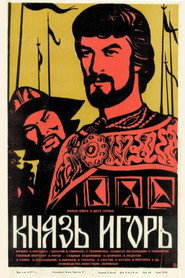
star 7.2The epic life story of Alice Guy-Blaché (1873–1968), a French screenwriter, director and producer, true pioneer of cinema, the first person who made a narrative fiction film; author of hundreds of movies, but banished from history books. Ignored and forgotten. At last remembered.Prince Igor
1969
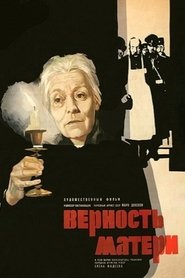
Mother's Loyalty
1966
Mother's Loyalty
1966
star 8The film covers the period from 1900 to 1917. Historical events—the Russo-Japanese War, January 9, and others—are shown through the eyes of a mother who begins to realize that her children have many like-minded followers, and thanks to this, she comes to believe in the feasibility of the ideals for which her eldest son sacrificed himself. Only the awareness that his cause is not hopeless, that it is achievable and close to victory, gives her the courage to endure separation from her loved ones and wandering.When We Went MAD!
2025
When We Went MAD!
2025
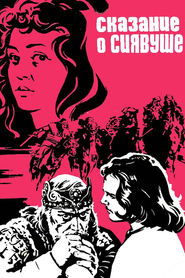
star 5.3A historical documentary and tribute to the legacy and influence of MAD Magazine, featuring interviews with MAD celebrity readers, along with MAD artists, writers, and editors—affectionately known as "The Usual Gang of Idiots".Legend of Siavush
1977