Popular History Movies - Page 180

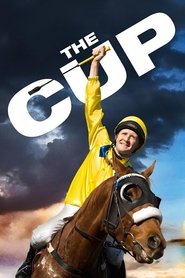
The Cup
2011
The Cup
2011
star 5.7At the heart of this true story is Damien Oliver, a young jockey who loses his only brother in a tragic racing accident, hauntingly reflecting of the way their father died 27 years earlier. After suffering through a series of discouraging defeats, Damien teams with Irish trainer Dermot Weld, and triumphs at the 2002 Melbourne Cup in one of the most thrilling finales in sporting history.Do Útero Ao Túmulo
2022
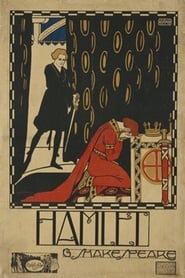
Hamlet
1917
Hamlet
1917
star 5The short film tells the story of Hamlet, who was forced to flee from the treachery of the usurper of the throne who had killed all the relatives of the young. But he will now return to the castle to avenge his father ...The Nest
1974
The Nest
1974
star 6.1Told in flashback as Mieszko lies feverish in his bed just before the Battle of Cedynia, Gniazdo recounts how the revered leader extended Poland's borders, formed an alliance with Emperor Otto I, and ultimately strengthened his country's autonomy by achieving victory during that crucial battle in the year 972.Comanche Warriors
2005
Comanche Warriors
2005
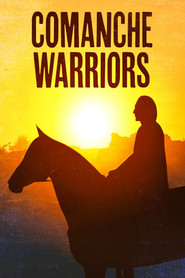
star 10In less than a generation, the Comanche transformed themselves into superior warriors. We detail the tactics, weapons and experiences of this legendary Native American tribe.Stepan Razin
1939
Stepan Razin
1939
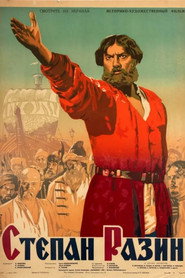
star 4.5Don Cossack Stepan Razin vowed to take revenge on the boyars for his tortured friends. Having led the rebellious peasants, he becomes the leader of an entire army. Humiliated and insulted people flock to him from all over the Russian land.太监秘史
1990
太监秘史
1990
The Jack King Affair
2015
The Jack King Affair
2015
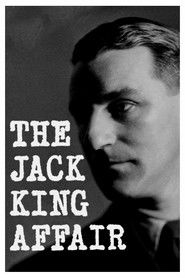
star 5.7England, 1940, during World War II. An MI5 officer, codenamed Jack King, infiltrates a network of conspirators, a British fifth column sympathetic to Nazi Germany, in order to control the organization and destroy it in the event of a German invasion. But who was he? A single person or several?Les Charlots en folie
2024
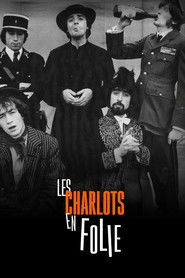
star 8Documentary on Les Charlots, known as The Crazy Boys in the English-speaking world, a group of French musicians, singers, comedians and film actors who were popular in the 1960s, 1970s, and early 1980s.All That Really Matters
1992
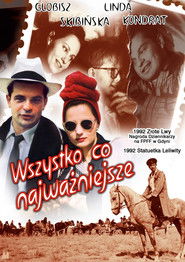
star 4.5Based on the autobiographical memoir of Ola Wat, the film follows the ordeal of Ola and her husband, poet Aleksander Wat, during the Second World War. Separated after the Soviet invasion of Poland, Ola endures exile, persecution, and unimaginable hardship while desperately searching for her husband. Sustained by hope and love, she struggles to survive against the brutal realities of war and political repression.Wojaczek
1999
Wojaczek
1999
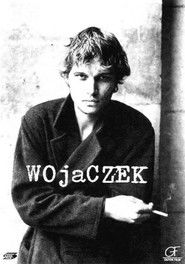
star 6.7Polish rebel Rafal Wojaczek writes poetry and lives life on the edge before his suicide in 1971.Far from Sunset Boulevard
2006
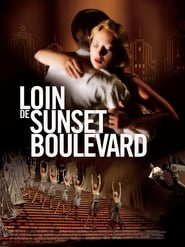
star 8.5The thirties, the heyday of Soviet film production. The story of the famed couple's glory — a filmmaker and actress, behind the external well-being of which were hidden strange contradictory relationships and a sense of fear that they carried through their whole lives. The prologue to this story is the 85th anniversary of Lidiya Polyakova, the formerly brightest star in Soviet cinema, who played the main role in all the films of her own husband, director Konstantin Dalmatov. Now in the courtyard there are other times, Dalmatov’s movies are called ideological agitation, and the director himself and his wife are hiding from the world in the country, trying not to let anyone in.Mao Zedong 1949
2019
Mao Zedong 1949
2019
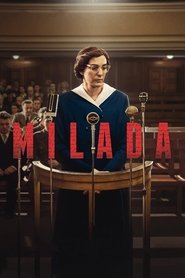
star 5The film is set in 1949, as the members of the Central Committee of the Communist Party of China prepare to establish a new Chinese state, the People's Republic of China.Milada
2017
Milada
2017
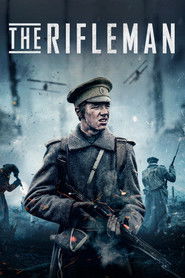
star 6.7Pre-WWII Czech democratic politician Milada Horáková was one of the first victims of the communist regime in Czechoslovakia. Opposing the 1948 coup but not leaving the country, she was arrested and tried for treason on fabricated charges in a show trial broadcast on the radio.The Rifleman
2019
The Rifleman
2019
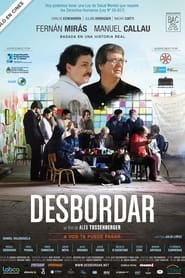
star 7.3The love story of sixteen-year-old Arturs is interrupted by the First World War. After losing his mother and his home, he finds some consolation in joining the army, because this is the first time national battalions are allowed in the Russian Empire. But war is nothing like Arturs imagined – no glory, no fairness. It is brutal and painful. Arturs is now completely alone as war takes the lives of his father and brother. Also, no progress is made in the promised quick resolution of the war and timely return home. Within the notion that only he alone cares about returning home and that his homeland is just a playground for other nations, Arturs finds strength for the final battle and eventually returns home to start everything from scratch, just like his newly born country.Overflow
2011
Overflow
2011
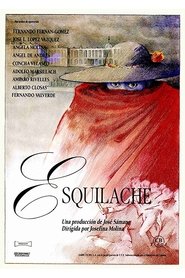
star 4.2Overflow Psychiatric hospital. Lighting in a stormy night's sky. With almost 12 years without seeing each other, Marcos Ferro (36) and Ivan Manusovich (37) meet the morning after having heard the news about Martin Tayal's death, Who was once a member of Journalism and writing workshop in the hospital. They were both part of the workshop's creation and of a very recognized and conflict magazine which one generated therapeutic, institutional and social effects that proved to be too much for it. The words heard through the phone the day before make them need to find out what happened to Martin and his body. While discussing about this very same subject a word makes them remember about the beginnings of the workshop.Esquilache
1989
Esquilache
1989
star 5.8In the 18th century in Madrid, the Marquess of Esquilache, King Charles III of Spain's former minister, bans on wearing the popular wide collar with a long coat and brimmed hat. Along with other measures provoke a massive riot in the city.The Last Tempest
1976
The Last Tempest
1976
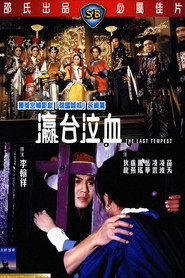
star 6.4Despite Kuang Hsu's enthronement as the last reigning Emperor of China, his ability to rule effectively is overshadowed by the ever-present power of the Dowager Empress.Time of Hurtle
2025
Time of Hurtle
2025
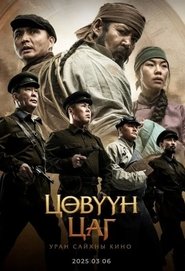
star 8In 1911, Bogd Khan, with the help of his trusted spy Natsag, declares Mongolia’s independence. However, by 1928, the rise of the Comintern introduces a new threat. Under the guise of eliminating Baruuntan influence, the Comintern forces its control over Mongolia, shutting down religious monasteries and seizing private property. Riots erupt, forcing many to flee as the country descends into chaos. Natsag’s family, once secure, is swept into this storm, facing a personal and political unraveling as Mongolia enters its dark time.