Popular Crime TV Shows - Page 223

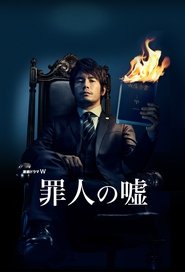
A Sinner's Lie
2014
A Sinner's Lie
2014
star 8.4Serious legal thriller starring Hideaki Ito which depicts the glory and the darkness of an infamous and highly paid lawyer.Dan Raven
1960
Dan Raven
1960
star 8Dan Raven is an American crime drama starring Skip Homeier which aired on NBC between January 23, 1960, and January 6, 1961. The setting of the series is the famous Sunset Strip of West Hollywood, California. The series focuses on activities of the sheriff's department, including those of the fictitious Lieutenant Dan Raven and his assistant, Sergeant Burke, played by Dan Barton. Quinn K. Redeker appeared as photographer Perry Levitt. The program aired for a half-hour from January 1960 until September 23, when it expanded for thirteen hour-long segments. Dan Raven featured contemporary celebrities appearing as themselves, including Buddy Hackett, Paul Anka, Marty Ingels, Bob Crewe, and Bobby Darin. Darin appeared in the first of the hour-long episodes, "The High Cost of Fame". The long-running 77 Sunset Strip ran on ABC at 9 p.m. Eastern on the same Friday evenings as Dan Raven, which started at 7:30. Dan Raven, in the hour format, faced difficult opposition from the second season of CBS Western series Rawhide stPsychic Investigators
2006
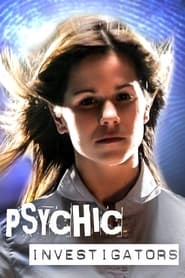
When police attempt to solve a crime, and the perpetrator is still unknown, sometimes a psychic can be their best investigative tool. Each episode follows the investigation of a real crime, both from the perspective of the police officer whose methods use science, logic, and reason, and from the point of view of the psychic who deals in feelings, emotions, and impressions. Featuring true crime investigations from around the globe, compelling interviews, and all the suspense and intrigue of a supernatural thriller.Naked Fireman
2017
Naked Fireman
2017
star 6.8Kang Chul Soo is an enthusiastic fireman. He poses as a nude model to make money for his sick friend. He is then targeted as the criminal of an arson-murder case that took place 10 years. Kang Chul Soo and mysterious heiress Han Jin Ah try to find the real culprit.Podu
2020
Podu
2020
Adi and Nilu’s love grows from school to adulthood, only to be shattered by a tragic accident that wipes Adi’s memory. Season two follows Primal, a university student trapped in a love triangle shaped by class, power, and caste.Burning Hands
2017
Burning Hands
2017
star 6.7"Yat Gor" Chak Koon-yat, "Win Jeh" Ho Ching-fa, and "Yee Jai" Hugo Ng have followed their master Szeto Sing to learn con tricks and illusions since childhood. Yat and Fa grow fond of each other over the years, but a competition estranges them and they lose contact. In order to flush out the mole, a casino tycoon named Fok Chun-sing colludes with Szeto to induce Yat and Hugo into taking up a secret mission, resulting in their reunion with Fa. With each of them possessing a unique talent, they gradually uncover that the mole might be Fok's right-hand man Lam Lui, confidant Yau Yuet-wah, or one of their rivals. But nothing is as it seems. To come into terms to why Fok killed his father Chiang Tin-lung twenty years ago, Yat infiltrates the Chun Sing Group, dealing a crushing blow to the crisis-ridden casino. That leads to an enmity between siblings, total severance of the master-disciple relationship, and irreconcilable differences between father and son.Stationed Detective
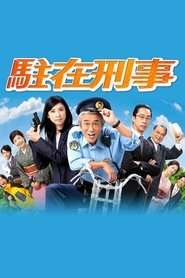
2018
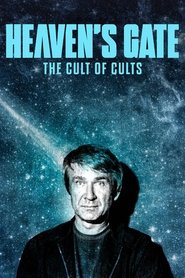
Heaven's Gate: The Cult of Cults
2020
star 6.8What started in 1975 with the disappearance of 20 people from a small town in Oregon, ended in 1997 with the largest suicide on US soil and changed the face of modern New Age religion forever. This four-part docuseries uses never-before-seen footage and first-person accounts to explore the infamous UFO cult that shocked the nation with their out-of-this-world beliefs.Intruder
2021
Intruder
2021
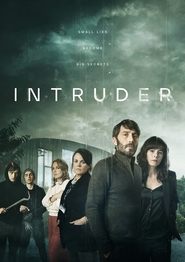
star 6.6An affluent couple living in a small seaside town are targeted by two local teenagers looking to make a quick buck. However, the break-in takes a dark turn when one of the youths winds up dead and an elaborate cover-up is staged to make the killing appear to be self-defence.Second Verdict
1976
Second Verdict
1976
star 7Second Verdict is a six-part 1976 BBC television series, a dramatised documentaries of classic criminal cases and unsolved crimes from history re-appraised by fictional police officers. Stratford Johns and Frank Windsor reprised for a final time their double-act as Detective Chief Superintendents Barlow and Watt, hugely popular with TV audiences from the long-running series Z-Cars; Softly, Softly; and Barlow at Large.Chosen
2022
Chosen
2022
star 6A 17-year-old girl's world is turned upside down when she and her friends make a disturbing discovery in their quiet Danish town.Little Giants
2017
Little Giants
2017
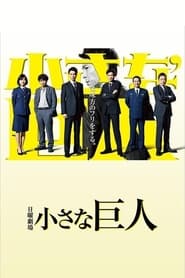
star 8Shinichiro Kosaka is a detective of the major cases unit of the Tokyo Metropolitan Police and on the path to become captain of the unit when he makes a mistake during an investigation. Kosaka was subsequently demoted to precinct duty, where he finds his new colleagues taking on small cases tirelessly with a sense of justice untinged by workplace politics and internal disputes.El clan Olimpia
2025
El clan Olimpia
2025
star 6.9A woman turns to cocaine to save her cancer-stricken husband, hiding her double life from her family, known for their mercantile traditions.Ein Fall für Zwei
2014
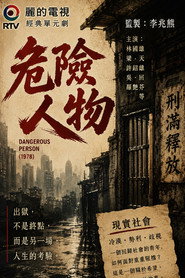
危險人物
1978
危險人物
1978
Dear Relative
2025
Dear Relative
2025
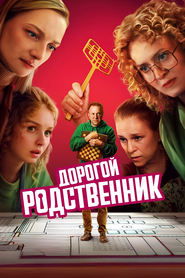
star 6.7The Gromov family, which consists mainly of women, decides to separate. The apartment's buyers have been found, the advance has been spent, and plans have been made. There is only one problem: Dima, an alcoholic who left the family several years ago, is registered in the apartment.Raid
2000
Raid
2000
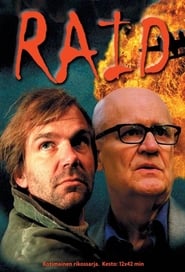
star 7.1Raid is based on detective stories by author Harri Nykänen and made into a 12-part series. The story tells about a police officer who has been investigating white-collar crimes is shot dead in a TV-studio. Another policeman takes his own life at his summer home. A young woman, an executive with a powerful electronics concern, also commits suicide. Her embittered father suspects foul play and he invites Raid, the woman's former boyfriend to "make inquiries". Meanwhile, the police are looking for the first killer - and the trail leads inexorably to Raid. Very soon, however, they realise that the guilty party is somewhere else, and the interests of the police and the avenging angel Raid converge. The unholy alliance shows that even those with morals may, to some extent, use immoral means to achieve an end. The Raid series was voted the best TV-programme in Finland year 2000. Tapio Piirainen received an award for best script and best direction.Rejseholdet
1983
We Hunt Together
2020
We Hunt Together
2020
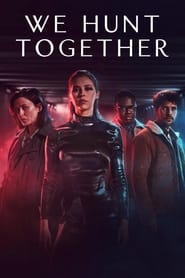
star 7Explore the intoxication of sexual attraction, the dangerous power of emotional manipulation, and how finding a volatile form of solace in another can have dire consequences as two conflicted coppers track down a pair of deadly killers.