Popular Comedy TV Shows - Page 138

Phi Brain: Puzzle of God
2011
star 6.7Phi Brain: Puzzle of God is a 2011 Japanese anime television series produced by Sunrise. The first two series aired on NHK Educational TV between October 2011 and September 2012, with a third season to begin airing in October 2013. The series is directed by Junichi Sato with script supervision by Mayori Sekijima. Hajime Yatate, the collective penname for the creative staff at Sunrise, is credited with the original story. The anime has been licensed in North America by Sentai Filmworks. A manga adaptation by Yoshiki Togawa began serialization in Kadokawa Shoten's Newtype Ace magazine from November 2011. A PlayStation Portable video game by Arc System Works was released on May 31, 2012.Junjo Romantica
2008
Junjo Romantica
2008
star 6.7Three couples, three intense romances: a student’s tutor crosses the line, a loner meets a force of nature, and a carefree man faces love he can’t ignore.Common Law
2012
Common Law
2012
star 6.8Travis Marks and Wes Mitchell are two partners who – apart from their polarity and odd couple behavior – have a seven-year track record as the Los Angeles Police Department's best detectives in the Robbery-Homicide Division. Since their constant bickering is interfering with work, their new-age captain – who found counseling changed his life – sends them to couples' therapy.Underdog
1964
Underdog
1964
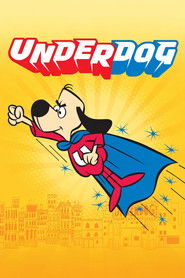
star 6.4Underdog, also known as The Underdog Show, is an American Saturday morning animated television series that ran from October 3, 1964, to March 4, 1967, starting on the NBC network until 1966, with the rest of the run on CBS, under the primary sponsorship of General Mills, for a run of 62 episodes. It is one of the early Saturday morning cartoons. The show continued in syndication until 1973. Underdog, Shoeshine Boy's heroic alter ego, appears whenever love interest Sweet Polly Purebred is being victimized by such villains as Simon Bar Sinister or Riff Raff. Underdog nearly always speaks in rhyming couplets, as in "There's no need to fear, Underdog is here!"Documentary Now!
2015
Documentary Now!
2015
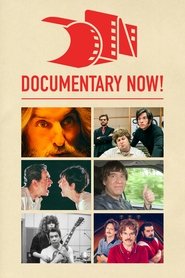
star 7.1Loving parodies of some of the world's best-known documentaries. Each episode is shot in a different style of documentary filmmaking, and honors some of the most important stories that didn't actually happen.SashaTanya
2013
SashaTanya
2013
star 5.9Sasha and Tanya have graduated and moved out of the dormitory. They now live with their son Alyosha in their own two-room apartment in the Moscow suburb of Yuzhnoe Butovo. And, boy, are their neighbors ever weird.The Penny Lady
2013
The Penny Lady
2013
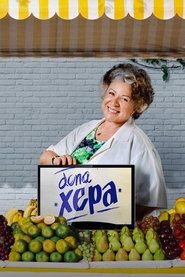
star 5.5The open market worker Carlota Losano is an uneducated, kind and explosive woman, known by everyone as the Penny Lady. Good-hearted and a woman of unparalleled optimism, she got her nickname for giving out what is left from her stand to the poor. Uneducated and abandoned by her husband, Esmeraldino, the Penny Lady plays the role of mother and father, working double to guarantee a dignified future for her children, Édison and Rosália.Home Movies
1999
Home Movies
1999
star 7.6TV series about the life of Brendon Small, an eight-year-old visionary who, using his friends Jason and Melissa as actors, have managed to direct over a thousand homemade films. His parents are divorced, but it doesn't feel strange since so many other kids' parents are divorced. His friend Jason actually feels upset because his parents are still together. At school, he is taught soccer by his coach John McGuirk, or as he calls him, "that weird Irish guy".LEGO Star Wars: The Freemaker Adventures
2016
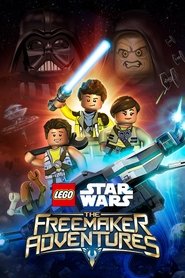
star 6.9Set between The Empire Strikes Back and Return of the Jedi, The Freemaker Adventures centers on a family of three young siblings—young boy Rowan, his sister Kordi, and their brother Zander—known as the Freemakers, who salvage parts from destroyed or damaged ships which they use to build new ones, which they sell in order to make their living. They are accompanied by their salvaged battle droid Roger.Como la vida misma
2023
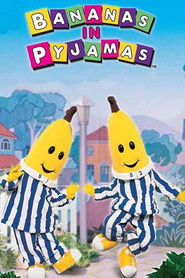
Bananas in Pyjamas
1992
Bananas in Pyjamas
1992
star 5.4Bananas in Pyjamas is an Australian children's television show that premiered on 20 July 1992 on ABC. It has since become syndicated in many different countries, and dubbed into other languages. In the United States, the "Pyjamas" in the title was modified to reflect the American spelling pajamas. This aired in syndication from 1995 to 1997 as a half-hour series, then became a 15-minute show paired with a short-lived 15-minute series The Crayon Box, under a 30-minute block produced by Sachs Family Entertainment titled Bananas in Pajamas & The Crayon Box. Additionally, the characters and a scene from the show were featured in the Kids for Character sequel titled Kids for Character: Choices Count. The pilot episode was Pink Mug.Mystic Pop-up Bar
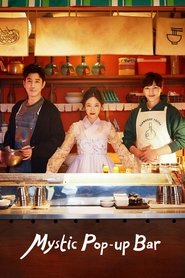
2020
Mystic Pop-up Bar
2020
star 8At this mysterious late-night food cart run by an equally mysterious woman and her part-timer, customers are provided a space for respite and counseling through their dreams. But most importantly, everyone here is treated equally—living or dead.Fawlty Towers
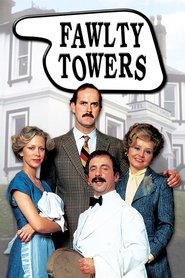
1975
Fawlty Towers
1975
star 8.3Owner Basil Fawlty, his wife Sybil, a chambermaid Polly, and Spanish waiter Manuel attempt to run their hotel amidst farcical situations and an array of demanding guests.Suite Precure♪
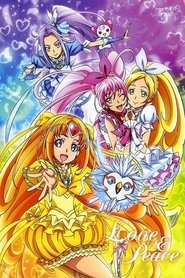
2011
Suite Precure♪
2011
star 7.6Hibiki and Kanade are two friends who grew up together in Kanon Town. Very different in their personalities, they share one thing in common: A connection to music. No matter how different they are or how much their differences cause them to quarrel, they both continue to share loving hearts. One day they meet Hummy, who is sent to the Human World from Major Land to collect the scattered notes of the Melody of Happiness. They have to instantly transform into Pretty Cures to resist the threats and evil music from Mephisto. Can they stop the Melody of Sorrow from disrupting their peaceful town, and can their warped friendship measure up to the bonds of Pretty Cure?Casa Vianello
1988
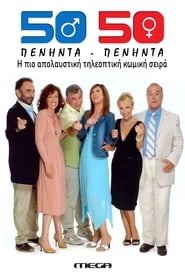
Fifty Fifty (50-50)
2005
Prince Mackaroo
1998
Prince Mackaroo
1998
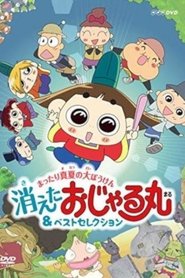
star 6.6Prince Mackaroo, known in Japan as Ojarumaru, is a Japanese manga series created by Rin Inumaru and published by Shogakukan and serialized in Ciao in 1993. The manga was republished by Shueisha and re-serialized in Saikyo Jump in 2011. It was adapted as an ongoing anime series produced by Gallop and broadcast on NHK beginning in October 1998. As of today, The show has become the second longest-running anime on NHK next to Nintama Rantaro.Mami the Psychic
1987
Mami the Psychic
1987
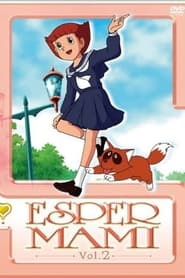
star 5Mami Sakura used to be a normal junior high school student, but she happened to acquire supernatural powers. Using her powers and with the help of her childhood friend, Kazuo Takahata, she solves mysterious occurrences. She then saves people in trouble with her psychic powers, such as telekinesis and telepathy. When she senses someone needs help, she uses the "Teleportation Gun" (a heart-shaped brooch Takahata designs) and transports herself there. Mami's teleportation is only triggered when a projectile is flying toward her, and this locket that shoots out tiny marbles is a portable gadget for teleporting in a controlled way, rather than by chance. Her telekinesis can be precise to a cellular level, which enables her to transport cancerous cells out of one of her father's art critics. Her telepathy allows her to access people's thoughts and dreams.The Danny Kaye Show
1963
The Danny Kaye Show
1963
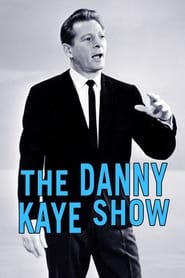
star 7The Danny Kaye Show is an American variety show hosted by Danny Kaye that aired on CBS from 1963 to 1967 on Wednesday nights. Directed by Robert Scheerer, the show premiered in black-and-white, but later switched to color broadcasts. At the time, Kaye was at the height of his popularity, having starred in a string of successful films in the 1940s and '50's, made successful personal appearances at such venues as the London Palladium, and appeared many times on television. His most recent films had been considered disappointing, but the television specials he starred in were triumphant, leading to this series. Prior to his television and film career, Kaye had made a name for himself with his own radio show, and numerous other guest appearances on other shows.Yano-kun's Ordinary Days
2025
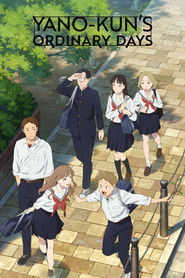
star 7.2Kiyoko Yoshida is an overanxious class representative who can’t help but worry about Tsuyoshi Yano, who sits beside her. Tsuyoshi comes to school covered in bruises, and as Kiyoko tends to him day after day, the two draw closer. Where will Kiyoko’s feelings take her? Will Tsuyoshi’s life ever be normal?