New Movies - Page 23

Pink and Pastels
2026
He Who Saw the Abyss
2026
He Who Saw the Abyss
2026
The gun pointed at the head is a delirium that expands into disorderly controlled chaos. “He Who Saw the Abyss” by Gregorio Gananian and Negro Leo, is like a car that enters the curve at 300km/h, but slowly. In an experimental whirlwind, moving between a noisy sound and an almost idyllic musicality, the film is structured out of a pile of images that seem as intimate as they are delirious, accelerating into a trance that is fragmented by a montage, signed by João Dumans and Gregorio Gananian, who strive to articulate an intense experience on the big screen.28 Hours Later
2026
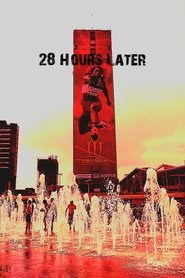
28 Hours Later
2026
28 hours after the Rage virus began to spread a group of young people begin to travel to a new safe spaceCapps Crossing: Wrong Side of Dead
2026
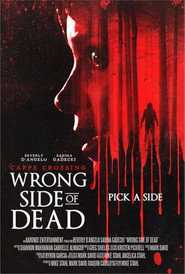
When a behavioral science major investigates murders at Capps Crossing, she finds herself trapped in a twisted web of lies surrounding the local ranger and his son.Watchful Eyes
2026
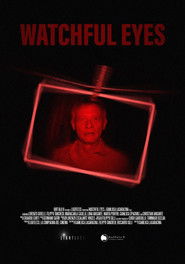
Watchful Eyes
2026
Sebastian, a grieving man, takes a janitor job on a university campus. While monitoring students linked to a professor’s death, he uncovers a ghost story that may be more real than anyone believed.Little Creatures
2026
Little Creatures
2026
Brasília, 1986. Helena has barely settled in with her family in Brazil's futuristic capital when her husband leaves on a business trip. Stranded in an unfamiliar city, she questions her choices, feeling frustrated and lost. Her teenage son rebels and discovers his first love; her seven-year-old finds magic in unlikely friendships and unseen possibilities. In a democracy less than a year old, everyone lives in limbo—trapped between what was and what could be.A Long Ride Home
2026
A Long Ride Home
2026
Mick learns about the death of his father through a phone call. Now he needs to return to a home he hasn't been to in 25 years to face his Demons. Director J. Robert Bellamy originally wanted this story to be told in film format, but would only get funding to make it as a series for Bell Fibe. This version is his definitive vision.Side Heroes
2026
Side Heroes
2026
Strange Egg
2026
Strange Egg
2026
After moving to a farmhouse with her newly single mother and leaving her father behind, a teenage girl's curiosity awakens something strange within her, forcing a confrontation with her emerging desires.Little Miss Fortune
2026
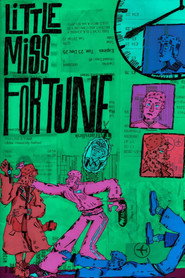
Little Miss Fortune
2026
A young journalist must find a story in Belfast before midnight or lose his job.Hasta el fin del mundo
2026
Manuel's life is upended when Esmeralda, his lost love from 15 years ago, calls unexpectedly. Despite being set to marry another, he rediscovers Esmeralda, and they realize their love transcends time.Ends Meat
2026
Ends Meat
2026
A woman is confronted with the realization that she's misunderstood the meaning of a common phrase.Sutukai Aijanu Maya
2026
Tenants of Lenapehocking in the Age of Magnets
2026
Comprised of excerpts of oral history interviews of North Philadelphia residents and photos from the John W. Mosley Photograph Collection of the Charles L. Blockson Afro-American Collection and other archives.I'm in Love with a Stripper
2026
Alone on Christmas Eve, Michael makes a last-ditch effort to win back his ex-girlfriend. Although repelled by his sudden reappearance, the promise of $1000 buys ten minutes of Honey’s time as she reluctantly sits through his declaration of love. Michael’s dreams of a heartfelt reunion are shattered when he is promptly rejected by a stripper who refuses to participate in his fantasy, challenging toxic romantic comedy tropes normalized through contemporary media. Based on her semi-autobiographical stage play, Never Walk Alone, Julie Phan offers a desensationalized interpretation of sex work through an intimate representation of the person underneath the projection.Light Through The Dust
2026
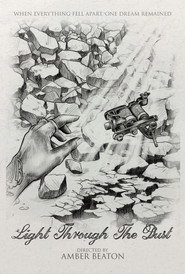
When the 2011 Christchurch earthquake struck, tattoo apprentice Bonnie Singh was inside Southern Ink, the studio where she had finally begun chasing her dream. The tattoo studio collapsed and Bonnie, trapped in the rubble, suffered a broken back, a shattered neck, and a brain injury that would affect her for life. With the help of fellow tattooist Jak Law, Bonnie is determined to push through physical and neurological limitations to master the craft of tattooing that once seemed out of reach. A story of resilience, reinvention, and the invisible scars we carry, this is not just a film about tattoos but instead is about what it means to rebuild a life and the importance of having a dream when everything has fallen away.Aphasic correspondences
2026
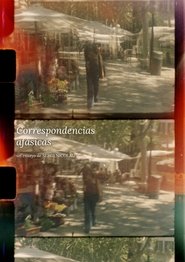
An audiovisual essay constructed from Super 8 footage filmed during camera tests for the short film ‘La Trampa’. Through gestures, light, and silences, it reflects on what the image reveals and what it leaves unsaid.Ottam Thullal
2026
Ottam Thullal
2026