Popular Western Movies - Page 362

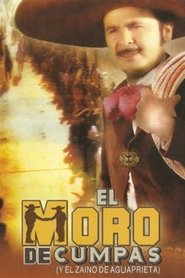
El moro de Cumpas
1977
El moro de Cumpas
1977
star 7.7In the city of Aguaprieta, two horses are part of the largest event in the region. The unbeatable horse Moro from the city of Cumpas faces the imposing Zaino de Aguaprieta. Two in a decided race in just 450 rods.Snap Judgment
1917
Snap Judgment
1917
Burning Bridges
1928
Burning Bridges
1928
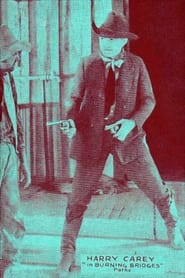
star 10Bob and Jim Whitely are twin brothers. Bob, an army veteran who suffered shell shock in the war, escapes from a sanitarium and holds up the Express train, for which Jim is mistakenly arrested. Jim soon escapes from jail in order to find his brother. However, his task is complicated by a crooked sheriff who pins a holdup and murder on him that the sheriff himself actually committed. To make matters worse, the murder victim was Tommy Wilkins, the brother of Jim's fiancee, who now thinks that Jim killed her brother.Rio Grande Ranger
1936
Rio Grande Ranger
1936
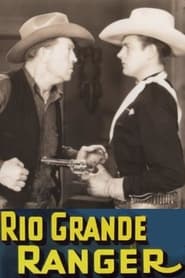
star 8Sayres and his outlaw gang operate out of a town just across the border and out of the jurisdiction of the Texas Rangers. Ranger Bob Allen is sent across the border where he poses as an outlaw hoping to lure the gang back into Texas. He gets into Sayres' gang displacing the gang boss but the disgruntled ex-boss is able to expose the hoax and Bob is made a prisoner.Rio Grande
1938
Rio Grande
1938
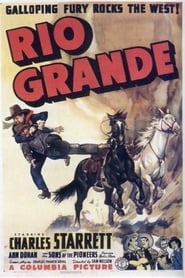
star 4.7No relation to the 1950 John Ford classic of the same name, Rio Grande is yet another rubber-stamp Charles Starrett western from the Columbia assembly line.Quantrill's Raiders
1958
The Ballad of Sloth Shot
2025
A sharp-shooting cowgirl must stop a time-travelling supervillain from destroying her town.The Man from Nevada
1929
The Man from Nevada
1929
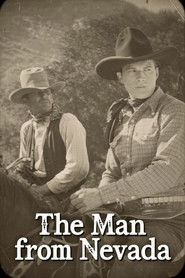
star 6.5Jack Carter rides into Nevada and finds himself caught between a local family feud and a dangerous outlaw gang. As he earns the trust of the Watkins family, Carter must confront Luke Baldridge and fight to bring justice to a lawless town.A Sage Brush Hamlet
1919
A Sage Brush Hamlet
1919
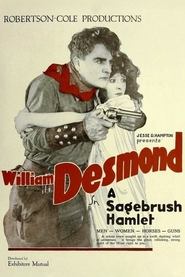
star 10Larry Lang is out to get desperado Claude Dutton (Ed Piel), the man who killed his father, which is why he is known as a sagebrush Hamlet.Vigilantes of Dodge City
1944
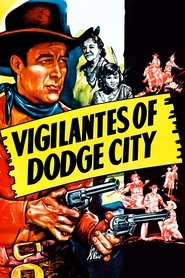
star 8This "Red Ryder" entry stars Gordon "Wild Bill" Elliot as Ryder. The heroine is having troubles with the freight company that she owns. Time and again, her coaches are beset by hooded thieves. With Red Ryder on the job, the robbers haven't got a chance, but they put up a fight anyway.The Tornado
1917
The Tornado
1917
star 5.5The Tornado mostly followed pulp Western formula -- bad guys hold up a town, take a girl hostage, and the hero rides to the rescue. But there were a couple of twists that made it seem more personal than the usual cowboy fare. Ford's Jack Dayton ... is known as "the No-Gun Man" because he faces the villains unarmed, anticipating the character played by James Stewart in George Marshall's 1939 Western comedy classic Destry Rides Again. Dayton is an immigrant who uses the reward money to bring over his mother (Jean Hathaway) from Ireland, a prototypically Fordian situation if there ever was one.Rough Ridin' Justice
1945
Rough Ridin' Justice
1945
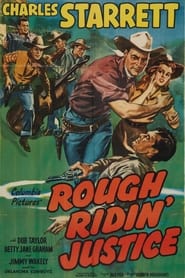
star 10Steve Holden and his men successfully raid a wagon train. Among the local ranchers who decide to stop the raiding are Virgil Trent and his daughter Gail. At a meeting, Sidney Padgett, Cannonball and other townspeople conclude that someone is tipping the gang off on important shipments. Trent volunteers to contact the outlaws. He meets Steve and persuades him to cross to the side of the law and protect the ranchers. Steve soon suspects Padgett and tricks him into revealing his identity as the secret leader of the bandits, and in a furious battle between Steve's men and the outlaws, the former win.Bala de Plata en el pueblo maldito
1960
star 5.4Cowboy hero tries to track down the deed to Pappy's mine.Agility
2018
Agility
2018
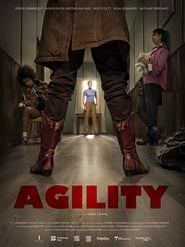
A support worker at an isolated residence gets disturbed when a silent newcomer arrives, dressed as a western heroine.The Stranger From Ponca City
1947
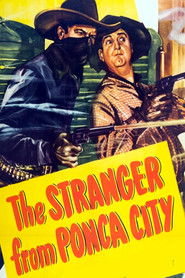
star 7.5A saddle-weary Steve Larkin, also the Duranko Kid, rides into Red Mound, a town filled with cattle rustlers. Cafe owner Smiley, befriends Steve and fills him in on the activities. Steve angers the rustler's leader, Flip Dugan when he purchases the old Atkins ranch which is supposedly haunted. Flip and his henchmen try to prevent the recording of the deed, but the Durango Kid and Deputy Marshal Tug Carter win the gun battle.Law of the West
1932
Law of the West
1932
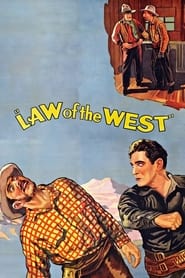
star 5.5For revenge the outlaw Morgan steals the Carruthers young son. Seventeen years later Carruthers arrives in the valley where Morgan, his gang, and the now grown Bob hide. After Morgan shoots Tracy, he tells Bob that Carruthers did it and sends Bob out after him. But unknown to Bob, Morgan has put blanks in his gun.What Am I Doing in the Middle of the Revolution?
1972
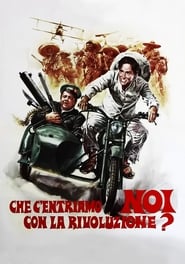
star 5.5In the beginning of the 20th. century Italian actor Guido Guidi, more enthusiastic than talented, and his ensemble tour Texas. The mysterious and obviously rich Peppino Garibaldi gives them an offer, they can’t deny: For a large amount of dough they should play “Richard III.” in the Mexican town Vera Cruz. But Peppino is not really interested in cultural affairs: He supports “La Revolución” and “General” Carasco, who utilizes the feastful premiere of “Richard III.” to raid Vera Cruz for Comandante Zapata. But shortly after the Mexican Army shows up with some canons in tow to sort things out. Guidi and Padre Albino, Italian like him, succeed to flee and save Carasco accidentially from the firing squad. Whereas the latter coninues his revolutionary fight, Guidi and Albino start an odyssey through the struggling Mexico, which lets them fall one time in the hands of Carasco the other time in those of Herrera or even in the clutches of “hand-taking&rdqHawaiian Buckaroo
1938
Bury Me Not
2019