Popular History Movies - Page 483

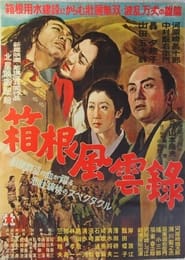
The Stand in Hakone
1952
The Stand in Hakone
1952
star 7A period film about a peasant revolt in the region near Mount Fuji, occasioned by high officials' depriving the farmers of their water rights.Isaac Newton: The Last Magician
2013
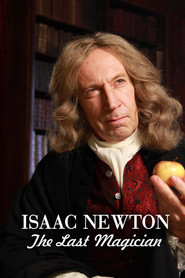
star 6Isaac Newton - brilliant rational mathematician or master of the occult? This innovative biography reveals Newton as both a hermit and a tyrant, a heretic and an alchemist. Magical images mix with actors and experts to bring alive Britain's greatest scientific genius in his own words.Libby, Montana
2004
Libby, Montana
2004
star 5.8Nestled below the rugged peaks of the Northern Rockies and along the crystal-clear Kootenai River lies the small logging town of Libby, Montana - an ironic setting for a town where many hundreds of people are sick or have already died from asbestos exposure.Black Castle
2024
Black Castle
2024
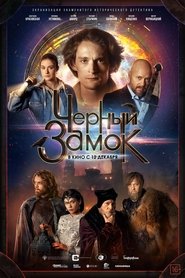
star 6.4Young professor Anton Kosmich studies the history of Belarus. One day he is mystically transported to the Middle Ages, where he will have to unravel the secrets of the past millennia.Engineering Egypt
2007
Engineering Egypt
2007
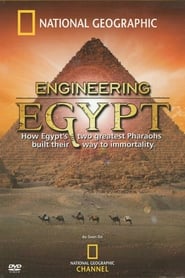
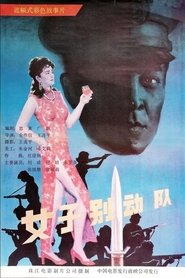
star 5.5Egypt's two greatest Pharaohs, Khufu and Ramesses II, built their way to immortality through architectural marvels including the temples of Abu Simbel and the Great Pyramid of GizaA Woman Commando
1989
A Woman Commando
1989
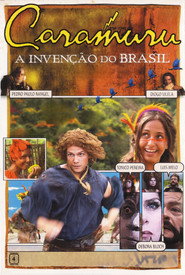
Caramuru: Brazil Reinvented
2001
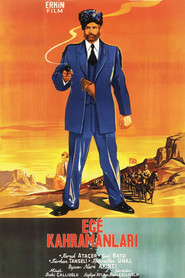
star 6.4Diogo Álvares, a Portuguese map illustrator, reaches the Brazilian coast, after his caravel sinks. He is saved by the Indian chief Itaparica and his two daughters, Paraguaçu and Moema. They call him Caramuru and together they engage in a happy love triangle. But the chance to return to Portugal arises, and it is clear this amoral arrangement cannot last.Ege Kahramanları
1951
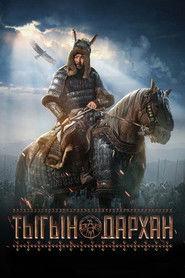
Tygyn Darkhan
2020
Tygyn Darkhan
2020
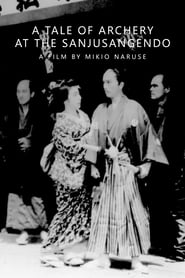
The film tells about a difficult period in the fate of the legendary ancestor of the Hangalass clan Tygyn Darkhan. At the turn of the century before the advent of the Russian Cossacks, he waged a difficult struggle to unite the tribes and clans that lived on the territory of modern Yakutia. The film is based on the eponymous work of Vasily Yakovlev-Dalan.A Tale of Archery at the Sanjusangendo
1945
star 5.9Young, timid bowmaster Kazuma seeks to beat the archery record set by Hoshino Kanzaemon, a mysterious figure who, it is rumoured, drove the previous champion—Kazuma’s father—to suicide. Possessed of much raw talent, Kazuma is very much a coward, holing up in an inn and generally avoiding confrontation. Despite his best attempts to remain clandestine, the locals know of Kazuma’s purpose and an attempt is made on his life. He's saved by Karatsu Kanbei, a samurai who offers to help Kazuma hone his archery skills, though it becomes clear that this apparently selfless stranger has potentially shady ulterior motives.Old Yerken 's Scars
1970
Old Yerken 's Scars
1970
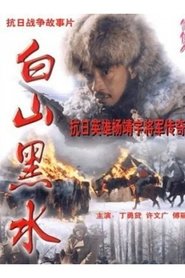
The film combines the actors' acting and hand-drawn animation. The story in the film is told in the first person: an elderly man tells his life story to the children sitting in the hall. In a collision with himself when he was a young horseman, and with the direct reaction of children to his story, the main theme of the cartoon is revealed — love for his native land.Bai Shan Hei Shui
1997
Bai Shan Hei Shui
1997
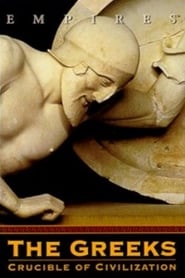
The Greeks: Crucible of Civilization
2000
It was perhaps the most spectacular flourishing of imagination and achievement in recorded history. In the Fourth and Fifth Centuries BC, the Greeks built an empire that stretched across the Mediterranean from Asia to Spain. They laid the foundations of modern science, politics, warfare and philosophy, and produced some of the most breathtaking art and architecture the world has ever seen. This series, narrated by Liam Neeson, recounts the rise, glory, demise and legacy of the empire that marked the dawn of Western civilization. The story of this astonishing civilization is told through the lives of heroes of ancient Greece. The latest advances in computer and television technology rebuild the Acropolis, recreate the Battle of Marathon and restore the grandeur of the Academy, where Socrates, Plato and Aristotle forged the foundation of Western thought.37
2013
37
2013
star 1March 27th, 1964. The New York Times published an article headlined '37 Who Saw Murder Didn't Call the Police.' For more than half an hour, 37 law abiding citizens in Queens watched their neighbor, Kitty Genovese, being brutally killed outside their apartment building. Florel and Jack Bernstein were among those bystanders. A shirt film.No Right to Die: Chinggis Khaan
2008
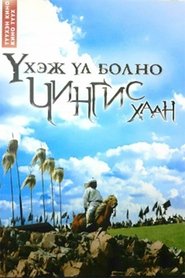
Temujin, who became known as Genghis Khan, will show the story of how he united the Mongol tribes.The Burned City
1976
The Burned City
1976
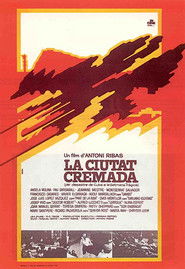
star 6.4The film depicts ten years of Catalan history, from 1899 with the defeat of the Spanish side in the Cuban War of Independence to the Tragic Week 1909.Chongqing Negotiations
1993
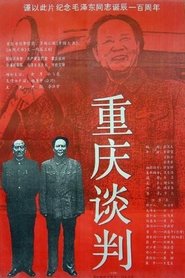
star 7.3After the defeat of the Japanese, the leadership of the Communist forces are invited by Chiang Kai-shek to "discuss the state of affairs" in Chongqing, with the goal of avoiding civil war.Beatrice Cenci
1909
Beatrice Cenci
1909
star 9In Renaissance Rome, young Beatrice Cenci dares to defy her tyrannical father. Imprisoned, abused, and betrayed, she plots her father's murder with the help of her lover and a vengeful servant. When justice turns against her, Beatrice faces execution with unflinching dignity. A death that still echoes throughout the centuries as a cry for freedom and justice.The Little Animals of Anthony van Leeuwenhoek
1975
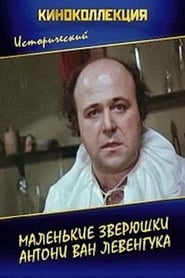
star 7Anthony van Leeuwenhoek, a Dutch naturalist of the 18th century, the founder of scientific microscopy, makes a lens in his workshop. He is visited by an English scientist, a member of the Royal Society of London. Leeuwenhoek shows the scientist his "microscope". A scientist examines a flea, mold on bread, and other objects through a "microscope." He recommends that Leeuwenhoek write about his invention to the Royal Society of London. Leeuwenhoek refuses. The scientist writes the letter himself. Leeuwenhoek examines different objects through a "microscope". He is visited by a friend of Google, with whom he shares his observations. Leeuwenhoek and Google talk about the origin of the "little animals" in the water. Leeuwenhoek takes samples of rainwater and pond water. The simplest microorganisms, taken through a microscope. Leeuwenhoek writes a letter in which he outlines the results of his research.