Popular History Movies - Page 362

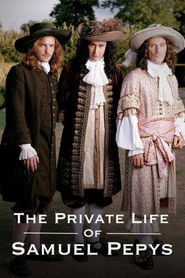
The Private Life of Samuel Pepys
2003
star 4.3The Private Life of Samuel Pepys is a 2003 British comedy television film directed by Oliver Parker and starring Steve Coogan, Lou Doillon and Nathaniel Parker. It portrayed the historical diarist Samuel Pepys. It was aired on BBC2 on 16 December 2003, drawing an audience of 2.9 million viewers.47 Ronin and the Shadow Ninja
1981
star 5In Genroku-era Japan, after Lord Asano is forced to commit suicide for attacking Kira, Chief Retainer Araki sends Kaizuka Shingo undercover to investigate Oishi Kuranosuke's motives. As Kiras son deploys spies to stop Oishis revenge, Kaizuka joins the samurai's cause, setting the stage for a historic raid.Woman Gambler and the Nun
1968
star 7Eighth film in the long-running series Daiei Studio's Woman Gambler with Kyoko Enami starring where she plays the woman gambler Ogin.The Lost Dream Team
2025
The Lost Dream Team
2025
star 7On the 1991 European Basketball Championship an incredible event occured. A team of some of the greatest Balkan basketball stars accepted gold and watched the flag of their country be lifted up. The flag of a country that no longer existed.Le prince barbare
1988
Le prince barbare
1988
451 AD. Defeated by the Romans, a group of Barbarians led by their prince make a desperate attempt at losing their pursuers by going deeper and deeper into the Alpine forests.Merciless Blade Part 3
1953
The final film in the 1953 trilogy based on the long novel series The Great Bodhisattva Pass.100 Years of Torture: The History
1975
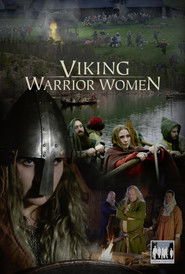
star 6The movie takes place in four periods: the first, a group of female Christians are raped and crucified in 18th century Japan. The second deals with a man who beats his cheating wife and her lover. The third, is set in WW2 where inquisition soldiers torture, rape and abuse female traitors, and the fourth story deals with soldiers raping and abusing suspected female spies.Viking Warrior Women
2019
Viking Warrior Women
2019
star 7.4Drama-led documentary following the life of Signe, an orphaned Chief's daughter, who, driven by revenge, becomes an explorer and trader in the lands of the Rus Vikings.The Tragedy of Richard III
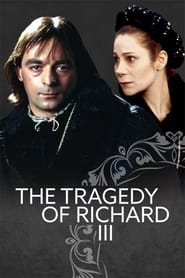
1983
star 8Richard Duke of Gloucester, youngest brother of King Edward IV, will stop at nothing to get the crown. He first convinces the ailing King that the Duke of Clarence, his elder brother, is a threat to the lives of Edward's two young sons. Edward has him imprisoned in the Tower of London; killers in Richard's pay then drown Clarence in a barrel of wine. When news of Clarence's death reaches the King, the subsequent grief and remorse bring about his death. Richard is made Lord Protector, with power to rule England while his nephew (now King Edward V) is still a minor. Before the young king's coronation he has his two nephews conveyed to the Tower, ostensibly for their safekeeping. Richard's accomplice, the Duke of Buckingham, then declares the two boys illegitimate and offers Richard the crown, which after a show of reticence he accepts. After Richard's coronation, he and Buckingham have a falling-out over whether or not to assassinate the two children.Pädaste
2023
Pädaste
2023
In 1919 Estonia, as Bolsheviks' riots sweep through the country, a Baltic German father goes to no end to ensure his daughter's safety.Insight
2002
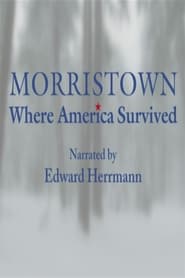
Morristown: Where America Survived
2009
A thirty-minute High Definition documentary which revisits that winter of 1779-80 when Washington’s troops arrived at the densely-wooded area just south of Morristown known as Jockey Hollow, to build a log hut city for their winter camp. The film is an eye-opening look at how the camp saved the army – and the American Revolution – from the brink of disaster. Based on John T. Cunningham’s book The Uncertain Revolution and shot on location at Morristown National Historical Park, Morristown: Where America Survived is narrated by award-winning actor Edward Herrmann, who has voiced many history documentaries over his extensive career. The program was produced by New Jersey Network.O+ omikron plus
2013
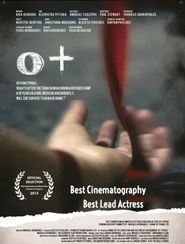
O+ omikron plus
2013
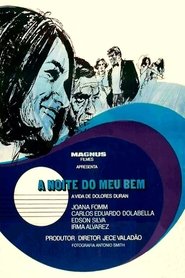
1974, Cyprus. Ten days after the Turkish invasion in a refugee camp, a 10-year-old girl needs blood urgently. Will she survive?A Noite do Meu Bem
1968
Spartacus
1926
Spartacus
1926
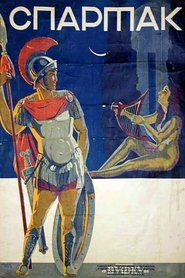
The owner of the gladiator school buys two slaves, the Thracian Spartacus and the Gaul Artorix. During the first fight in the arena, Spartacus wins over the Colloseum audience and his freedom. When freed from gladiator slavery, Spartacus calls slaves and Rome plebs for a rebel. The dictator Sulla dies. Spartacus and rebellious slaves lay out a camp near Vesuvius. The Roman commander Crassus is unable to take Spartacus’s camp by storm, so he lays siege to it. Spartacus is betrayed; he dies with his friend Artorix in a battle. The film is based on Raffaello Giovagnoli’s novel of the same name.Mata Hari
1959
Mata Hari
1959
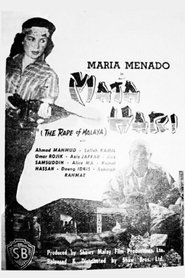
'Mata Hari', the daughter of a kampong headman is captured by the Japanese. She witnesses the atrocities committed by the invaders, who tortured her father to death and round up innocent women to become prostitutes and mistresses for their commanders. Not wanting to cower to the enemy, Mata Hari decides to form and lead a guerilla force to fight the Japanese.The Story That Couldn't Be Printed
1939
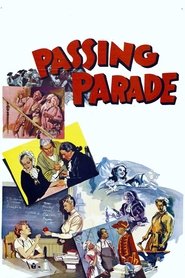
star 7This John Nesbitt's Passing Parade short tells the story of John Peter Zenger, who in Colonial New York was tried for sedition based on what he printed in his newspaper.Wondrous Is the Silence of My Master
2025
In 19th-century Montenegro, the free mountain territories are surrounded by Turkish forces, isolated from the West and steeped in conservatism, patriarchy, and superstition. Morlak, a poet and bishop inspired by the historical figure Petar II Petrović Njegoš, leads his tribe in resisting the invaders. Gravely ill, he is sent to southern Italy in search of a cure. The journey takes him to a house in Naples, a city that contrasts sharply with his homeland’s isolated hills. As Morlak contemplates his existence, his loyal servant Djuko struggles with profound nostalgia, driven by the fear of his master’s death in a foreign land.Princess Deokon 1
2026
Princess Deokon 1
2026
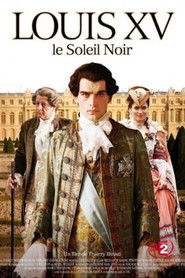
It is about life of Princess Deokon who is the last princess of the Joseon Dynasty in 1837.Louis XV, le Soleil noir
2009
star 3.6How Louis XV, a young king loved by his people, sensitive to the artistic and intellectual turmoil of his century (that of the Enlightenment), will end his reign in decay and hatred? Only fifteen years after his death, it's the Revolution.