Popular History Movies - Page 200

Roots: The Gift
1988
Roots: The Gift
1988
star 7.1On Christmas Eve 1770, a young African warrior, who three years prior had been captured and sold into slavery in America, leads a desperate group of runaway slaves as they attempt to reach freedom in the North.People's Malachi
1991
People's Malachi
1991
Based on the play of the same name by Mykola Kulish. The film is set in the 1920s and tells of a brief period of "introduction" of the Ukrainian language (Ukrainization). This is the story of one crazy person living in the same crazy world.My Name Is Sara
2020
My Name Is Sara
2020
star 6.5The true life-story of Sara Góralnik, a 13 year-old Polish Jew whose entire family was killed by Nazis in September of 1942. After a grueling escape to the Ukrainian countryside, Sara steals her Christian best friend’s identity and finds refuge in a small village, where she is taken in by a farmer and his young wife. She soon discovers the dark secrets of her employers’ marriage, compounding the greatest secret she must strive to protect, her true identity.Alias Loner
2014
Alias Loner
2014
Based on true events that took place in the vicinity of Līvāni in 1945 after Soviet re-occupation. Catholic priest Antons Juhņevičs, serving in the Vanagi parish, hid local men on church premises so they could escape conscription into the Red Army. Finding himself in conflict with the ruling power due to his convictions, he was forced to take a radical step.Morning Vigil
2025
Morning Vigil
2025
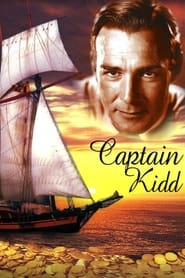
A pious sister and her inflexible brother mourn the passing of their beloved mother.Captain Kidd
1945
Captain Kidd
1945
star 6.3Cutthroat pirate William Kidd captures Admiral Blayne's treasure ship and hides the bounty in a cave. Three years later, Kidd, posing as a respectable merchant captain, offers his services to the King of England. Seeking a social position, Kidd also negotiates for Blayne's title and lands, provided he can prove Blayne was associated with piracy. Launched upon his royal mission, Kidd is unaware that Blayne's son Adam is among the crew, determined to clear his father's name.Ryoma Sakamoto: Samurai Gunslinger
1989
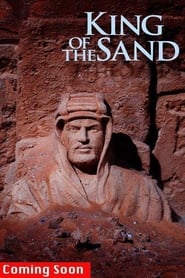
After more than 200 years of Isolation, Japan is ready for a modern samurai who isn't afraid to use guns and embrace the outside world.King of the Sands
2013
King of the Sands
2013
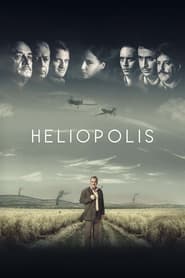
star 10A daring, compelling and controversial take on the life of prince Abdulaziz Al Saud (Ibn Saud), founder of Kingdom of Saudi Arabia.Heliopolis
2021
Heliopolis
2021
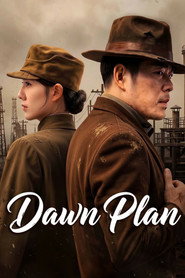
star 7.8In the city of Guelma, which was once called Heliopolis in ancient times, the daily life of an Algerian family takes its usual course. But on May 8, 1945, the day the end of World War II was announced, demonstrations by the Algerian people against the French colonial power and for the country's independence took place, which were bloodily suppressed by the French army and French settler militias. The event went down in history as the Sétif and Guelma massacre.DAWN PLAN
2026
DAWN PLAN
2026
In 1948, to secure victory in the Crossing-the-Yangtze Campaign and stabilize the newly-born people's regime, the Third Field Army selects outstanding officers to infiltrate Nanjing, the stronghold of Kuomintang rule. With strong support from the Nanjing underground organization of the Communist Party of China, they venture deep into the enemy's lair, engaging in a life-and-death struggle of wits and prowess against the Kuomintang reactionaries.The Forgotten King
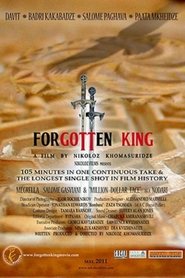
2013
The Forgotten King
2013
star 5.2This is Historical / Mystic / Fantasy based on true and fiction events and includes some codes from the famous Georgian poem 'The Knights in the Tiger`s Skin' written by Shota Rustveli in the end of 12th century. Well known film producer Demetre OrbeliThe History of Aviation
2009
star 7.3Normandy, 1905. The picnic is finished. A group of middle-class people in their Sunday best, get ready to go home. There is one last photo to be taken, but somebody is missingForever Amber
1947
Forever Amber
1947
star 6Amber St Clair, orphaned during the English Civil War and raised by a family of farmers, aspires to be a lady of high society; when a group of cavaliers ride into town, she sneaks away with them to London to achieve her dreams.Eyes of the Forest
2025
Eyes of the Forest
2025
In an isolated 18th-century Estonian village, Elo struggles to survive in a community that offers her neither safety nor kindness.Pingkian: Isang Musikal
2024
PINGKIAN: ISANG MUSIKAL is a full-length stage musical about the life of Emilio Jacinto during the tail end of the Philippine revolution up to the start of the Philippine-American war. Witness the trials and triumphs of a nation on the edge of revolution as Jacinto navigates the complexities of war with an unwavering commitment to the cause of freedom. Jacinto sustains serious wounds in an encounter with the Cazadores at Majayjay, Laguna. As he fights for his life, he is visited by the ghosts of Andres Bonifacio, his closest friend and the revered Supremo of the Katipunan, and Dr. Jose Rizal, his role model for citizenship and civic values. Together, they delve into Jacinto's haunting nightmares and aspirations for a heroic death— an introspective exploration that serves as a poignant examination of the Katipunan's conscience and his definition of Freedom.We Do It Because
1942
We Do It Because
1942
star 6.5This John Nesbitt's Passing Parade short explores the origins of various customs such as shaking hands, kissing, and why ships are christened.Grazia
2025
Grazia
2025
Bastion
1983
Bastion
1983
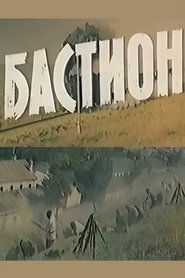
In the summer of 1918, the situation in Transcaspia was especially difficult. The Menshevik government led by Funtikov seized power. Only the fortress city of Kushka remains Soviet. The garrison went over to the Bolshevik side. Large reserves of weapons and ammunition are concentrated in the fortress, which especially attracts the Mensheviks and the British who help them. The commander of the garrison, the former tsarist general Vostrosablin, decides not to surrender the fortress. To do this, he and Commissar Morgunov are developing a defense plan. White Colonel Zykov, with the support of the Basmachi and the British, hopes to take Kushka. But the tough confrontation between the parties ends with the victory of the defenders of the fortress.