Popular War Movies - Page 190

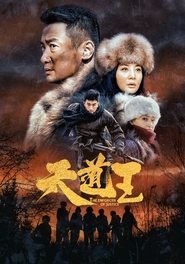
The Enforcer of Justice
2020
The Enforcer of Justice is a wartime drama set during the War of Resistance Against Japan, focusing on hunters from the deep forests of Northeast China who rise up to defend their homeland. The story follows their courageous stand as they fight to delay Japanese forces and protect the retreat of the Northeast Anti-Japanese United Army headquarters. Inspired by true events, the film is based on the “Twelve Martyrs Mountain” and “Li Paoying Ambush” battles that took place in Baoqing County, Shuangyashan, Heilongjiang Province.Jungle Drums
1943
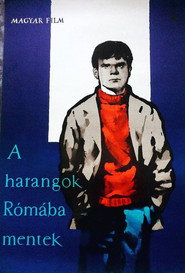
The Bells Have Gone to Rome
1958
star 8The movie addresses the anti-fascist theme taken from a moral perspective. The movie tells the story of a group of teenagers who were drafted to the front in the last weeks of World War II and found refuge on a small island.A Prize of Gold
1955
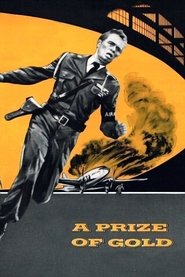
A Prize of Gold
1955
star 5.7A U.S. sergeant, a British sergeant and a British pilot hijack gold for a German refugee's war orphans.79
2016
79
2016
A Dergue regime commander puts pressure on a father and coerces him to give him his daughter's hand in marriage. The daughter reluctantly obliges to this arrangement, knowing her father's freedom and well being depends on it. However, she meets and falls in love with a young man who gives her the confidence to defy her father and the arrogant commander she despises. The ruthless commander, however, will stop at nothing to make sure she stays in his possession.The Escape
1975
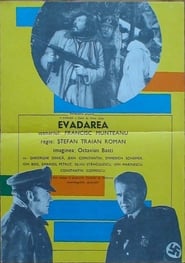
The Escape
1975
star 7.3Two Romanian soldiers manage to escape from a camp in Tatra mountains, Czechoslovakia.Jan
1984
Jan
1984
The writer Jan Kellert - the author of the widely known book "The Legend of the Vistula", which is part of the canon of pre-war middle school reading, comes from Lublin to Żmurki, where he spent the occupation. The division of the Żmurki estate is to take place the next day. The welcome dinner becomes an opportunity to exchange political views and a critical view of the manor's inhabitants on the current situation.White Badge
1992
White Badge
1992
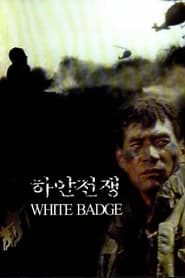
star 5.8A Vietnam war veteran writes a series of articles about his war experiences for a local newspaper. As he does so, another veteran, drawn by the articles, begins randomly appearing in his life.Good Will to Men
1955
Good Will to Men
1955
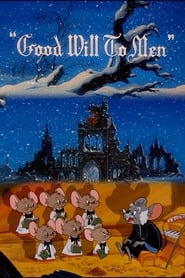
star 6.3A group of young mice is in the ruins of a church, practicing singing for an upcoming service. After singing an adulterated version of "Hark! The Herald Angels Sing," the mice wonder about the last line, "Good will to men." One of them asks the choirmaster, an old mouse, "What are men?" The old mouse explains that they all killed each other off by building bigger and more destructive weapons, first guns, then missiles, then bombs.Gilaneh
2005
Gilaneh
2005
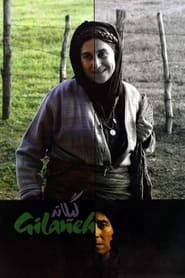
star 6.5A mother's courage, hardship, and love, in times of war. In 1988, during the Iran-Iraq war, Gilane escorts her pregnant daughter, Maygol, from the relative calm of their village, Espili, into war-torn Tehran to search for Maygol's husband, Rahman. The journey is arduous and what they find when they reach the capital is dismaying and frightening. Fifteen years later, as another war begins in Iraq, Gillane is at home caring for her son Ismael, who suffers from epilepsy, a byproduct of war. As she cares for him, she hopes for a visit from the doctor and from another daughter, Atefah. "Better be a dog than a mother," she says.Men and War II: Land of Love and Sorrow
1971
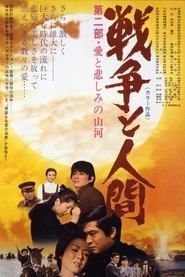
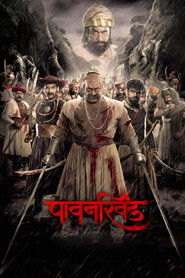
star 6.4Second part of an epic drama of war and its effects upon human beings, follows the fortunes of the Godai family from 1935 through Japan's invasion of China. Based on the novels by Jumpei Gomikawa, who also penned The Human Condition.Pawankhind
2022
Pawankhind
2022
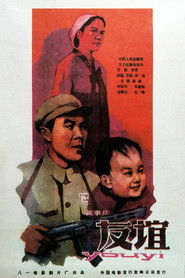
star 6.1The historical rearguard last stand that took place on 13 July 1660 at a mountain pass in the vicinity of fort Vishalgad, near the city of Kolhapur, Maharashtra, India between the Maratha Warrior Baji Prabhu Deshpande and Siddi Masud of Adilshah Sultanate, known as Battle of Pavan Khind.Friendship
1959
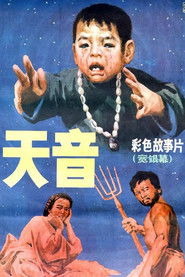
天音
1987
天音
1987
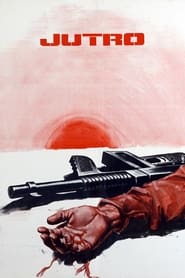
The Morning
1967
The Morning
1967
star 7.5In the first days after the Second World War, as collaborators are being taken care of, a former partisan finds out that war never truly ends — not even in time of peace.Comrade Song
1966
Comrade Song
1966
The movie-almanac consists of three novellas dedicated to the song. "Song-password". Lieutenant Marchenko is sent to the Nazi-occupied city to pass a purse with fuses to the underground scouts through the liaison. The password song helps the scouts to find each other. "Song about the mother." Working in distant Africa, pilots Igor and Victor once recorded on a tape recorder a song about his mother. Soon Igor dies during an epidemic. And Victor, in memory of his friend, gives his mother the tape they recorded. "Song at Dawn". Student Sergei dedicated to his favorite girl Valya composed by him "Song at Dawn". Valya then did not understand Sergei's feelings and married his friend. Sergei leaves. Years pass. Valya's personal life did not go well. And now she often remembers Sergei's sweet song.Forest Ballad
1972
Le Petit Matin
1971
Le Petit Matin
1971
star 4.9Nina lives with her family in a superb property in the French region of Landes. She loves her cousin Jean who is overprotected by his possessive mother, Eva. There is war and, after the French defeat, Jean wants to reach London.My Friend Rashed
2011
My Friend Rashed
2011
star 6.8The story of the Bangladesh Liberation War in 1971 as seen through the eyes of a young boy.Pierwsze dni
1952