Popular Music Movies - Page 405

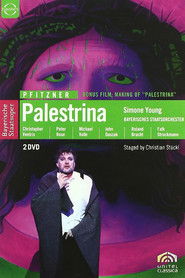
Pfitzner: Palestrina
2009
Pfitzner: Palestrina
2009
Requiring 38 soloists, chorus, and large orchestra, Hans Pfitzner's "Palestrina" is a challenging opera to stage. In Munich, the city in which it was premiered in 1917, director Christian Stückle, conductor Simone Young, and the Bavarian State Opera met those challenges with stunning success.Neil Diamond - Hot August Night III
2018
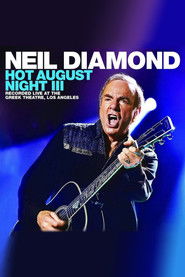
star 8The 40th Anniversary celebration of the original Hot August Night concert! 31 of Neil's greatest hits performed at Las Angeles’ historic Greek Theatre in 2012. Featuring: “Sweet Caroline”, “Forever in Blue Jeans”, “I Am…I Said”, “Cracklin' Rosie”, “America” and many more! Over 2 hours and 20 minutes of music and memories!Kielgasten
1990
Kielgasten
1990
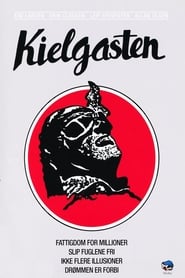
Kielgasten is a Danish musical that was performed in 1989-1990, named after Kim Larsen & Bellami's album of the same name.Neujahrskonzert 2004
2004
Neujahrskonzert 2004
2004
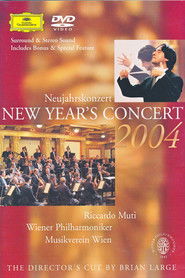
star 9The Vienna Philharmonic's 2004 New Year's Concert was conducted by Riccardo Muti and featured a traditional program of music by the Strauss family and their contemporaries, performing well-known pieces like the "An der schönen blauen Donau" waltz and the "Radetzkymarsch". The event took place at the Musikverein in Vienna, the orchestra's home, and was broadcast to a massive global audience. It is part of a long-standing tradition of the Vienna Philharmonic to present this concert, which is considered a significant event in the classical music calendar.Concert for Europe 2026 With the Berliner Philharmoniker
2026
The Berlin Philharmonic with Kirill Petrenko perform their annual concert for Europe, this time from the baroque magnificence of the Esterházy Palace in Austria. On the programme are works by Haydn, Stravinsky, Tchaikovsky and Beethoven.Whoopee Blues
2025
Whoopee Blues
2025
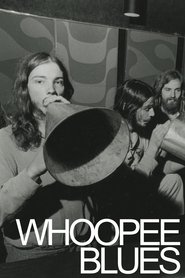
Brothers Mic and Jim Conway have been making music together since their school days, when they formed the Jellybean Jug Band, which later morphed into the wildly popular Captain Matchbox Whoopee Band. In the early 1970s, Captain Matchbox became a phenomenon, delighting audiences with lively performances of Fats Waller classics like My Canary Has Circles Under His Eyes and quirky originals such as Wangaratta Wahine and Fernando’s Hideaway. Mic’s passion for vaudeville and creating instruments from anything at hand has driven his work across countless bands over the last 40 years, blending performance, circus, and humour. Jim, a blues purist, found his voice in Captain Matchbox as a harmonica player, becoming one of Australia’s foremost blues harp players.What It All Could Be
2021
What It All Could Be
2021
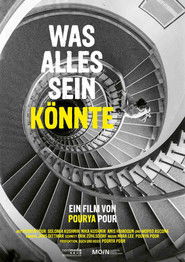
star 10Hum lives in a refugee camp near Hamburg. He loves films and finances his visits to the cinema by selling lost properties from cinema visits in the refugee camp. One day he meets Anna and her friend Ida. At a dinner together in the shared flat of the two, they find out that they all share a love of music. Anna and Ida can sing great together and Hum shares the contact with his friends who play in a band. A timid and touching love story develops between Hum and Anna. Both are looking forward to the first performance of the band, in which Anna now sings. But shortly before the performance, Hum is to be deported. Neither his love for Anna and music nor his imagination can save him from the everyday life of a refugee.Rod Stewart: Tonight He's Yours
1981
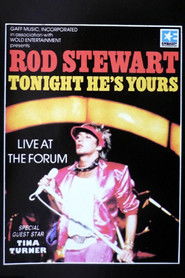
Rod Stewart performs 20 full length songs in this concert special.Big Bill Blues
1957
Big Bill Blues
1957
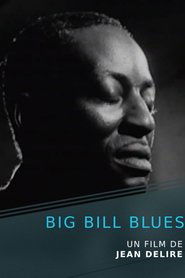
star 8This is the only film about Big Bill Broonzy, you can see him playing the blues in a Brussels cellar.Mylène Farmer: Libertine
1986
star 6The action takes place in the middle of the 18th century in France. A young woman and the man prepared to enter into a duel with pistols, in the presence of woman in the red. Libertine kills a person and flees on a white horse, while the woman in red is threatening revenge.Heart Beat
2015
Heart Beat
2015
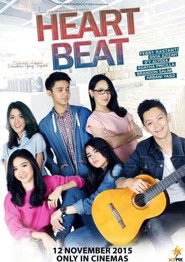
Keira, Agatha, Aluna, and Lexa are united because of their love for music. The differences in characters and backgrounds at first really made it difficult for them. Not to mention the problems from each of their families that make their friendship like strains of sadness. All lost with their music hobby. Then they also meet Lido, Lexa's best friend, and Biru, Aluna's lover.Thin Ice
1937
Thin Ice
1937
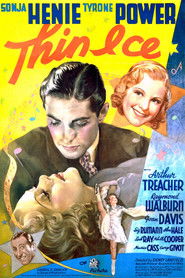
star 6.8A Swiss hotel ski instructor falls in love with a man who goes skiing every morning.Stabat mater
1991
Stabat mater
1991
A Nashville Wish
2024
A Nashville Wish
2024
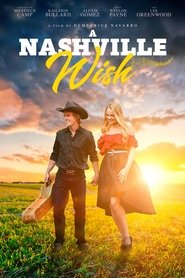
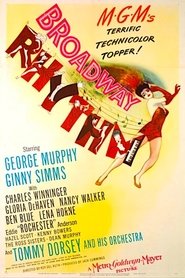
star 9.3A country music singer dreams of dating a popular cheerleader and going to Nashville, Tenn., to become a star. As fate would have it, his career takes off at the same time as their relationship, but she doesn't share his love of music.Broadway Rhythm
1944
Broadway Rhythm
1944
star 6.3Broadway producer Johnny Demming is only interested in big-name talent and scoffs that his sister, father and other small-time talent could be used in a successful show.Time Piece
1965
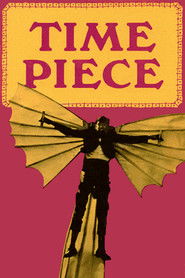
Time Piece
1965
star 7.1Dislocation in time, time signatures, time as a philosophical concept, and slavery to time are some of the themes touched upon in this 9-minute experimental film, which was written, directed, and produced by Jim Henson. Screened for the first time at the Museum of Modern Art in May of 1965, "Time Piece" enjoyed an eighteen-month run at one Manhattan movie theater and was nominated for an Academy Award for Outstanding Short Subject.